What Makes Dental Crowns Southgate CA a Reliable Tooth Restoration?
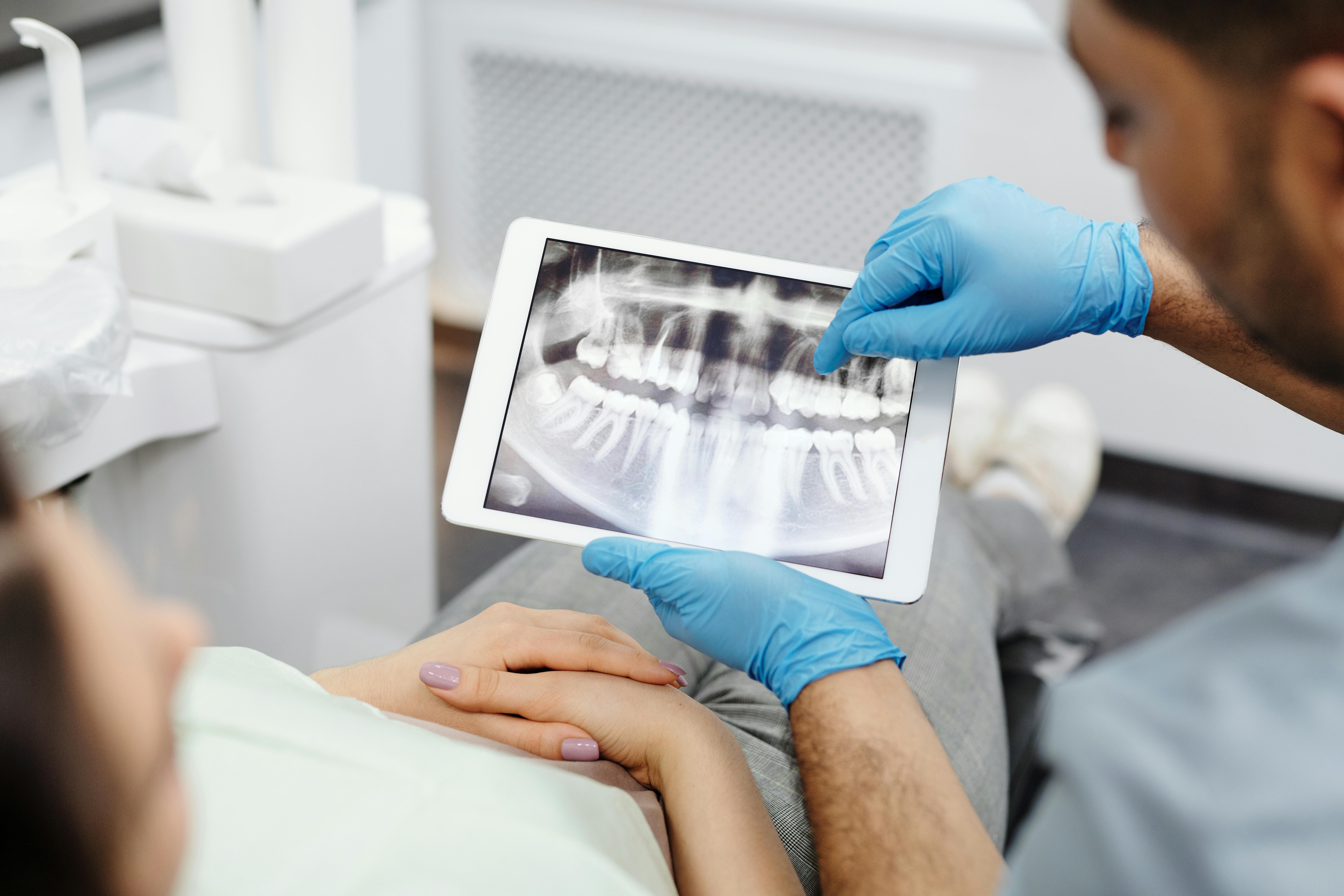
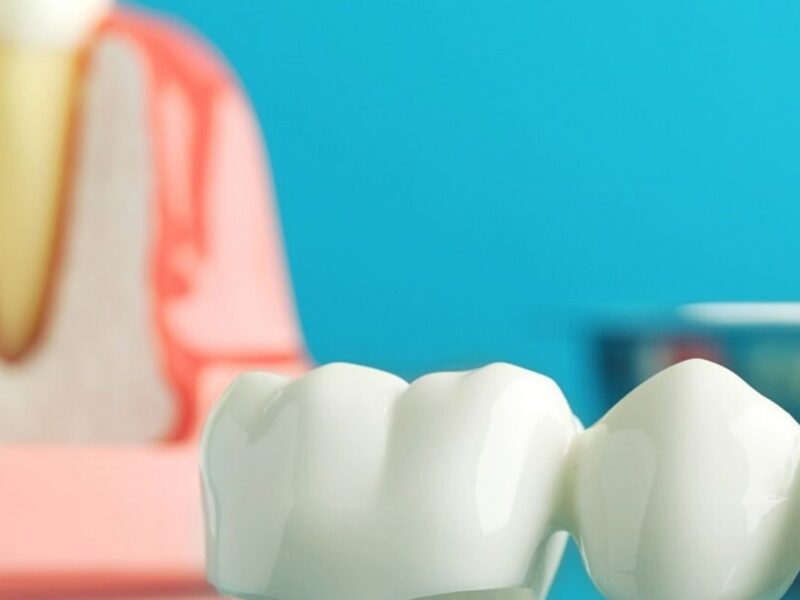

A dental crown is one of those treatments people often hear about long before they actually need one. Someone cracks a molar on popcorn, another person has an old filling fail, a root canal leaves a tooth hollowed out, and suddenly the conversation turns to crowns. The reason this restoration comes up so often is simple: when a tooth is too damaged for a basic filling but not hopeless enough for removal, a crown often lands in the sweet spot between preservation and function.
Patients looking into Dental Crowns Southgate CA usually want a direct answer to a practical question: can a crown really be trusted to hold up over time? In many cases, yes. When the tooth is restorable, the bite is managed properly, and the crown is made and placed with care, it can be one of the most dependable solutions in everyday dentistry.
That reliability does not come from a single feature. It comes from the way crowns protect weakened tooth structure, restore chewing strength, resist wear, and fit into a larger treatment plan. A crown is not just a cap placed over a tooth. It is a structural restoration that can extend the life of a tooth that might otherwise continue to fracture, decay, or fail under pressure.
Why a damaged tooth needs more than a filling
A filling works well when the damage is relatively contained. If decay is small to moderate, or a chipped area is limited, a filling can replace the missing material without changing the entire shape of the tooth. Problems start when too much natural structure is gone.
Teeth do not fail all at once. More often, they weaken in stages. A patient may have a large silver filling placed years ago. Over time, the surrounding enamel develops hairline cracks. A corner breaks off while chewing. The tooth starts feeling sensitive to cold. At that point, patching the area again with a larger filling may not solve the underlying problem. In fact, it can sometimes make the tooth more vulnerable because the remaining walls become thinner and less supported.
A crown addresses this differently. Instead of filling only the damaged portion, it covers the visible part of the tooth and redistributes chewing forces across a stronger outer shell. That matters a great deal for molars and premolars, where bite pressure is highest. A back tooth can absorb substantial force every day, especially in patients who clench, grind, or favor one side of the mouth. If the structure underneath is compromised, repeated pressure can turn a repairable tooth into a fractured one.
This is one of the biggest reasons crowns are considered reliable. They are not a cosmetic patch for a serious structural problem. In the right case, they are a reinforcement strategy.
The basic mechanics of crown reliability
A crown earns trust when it does four things well: it protects, seals, stabilizes, and functions naturally.
Protection is the most obvious benefit. By covering vulnerable cusps and cracked surfaces, a crown reduces the chance that the tooth will split under normal use. This is especially Dental Crowns Southgate CA important after root canal therapy. A root canal-treated tooth is not automatically weak because it is "dead," as patients sometimes say. It is weaker because decay, prior fillings, and the access opening for treatment often remove a meaningful amount of internal support. A crown can help that tooth handle chewing again.
Sealing is just as important, though patients do not always notice it. A well-made crown fits snugly at the margin, the line where the restoration meets the tooth. If that seal is precise and the patient maintains good oral hygiene, the underlying tooth is better protected from bacteria and recurrent decay. Poor margins, by contrast, create trouble. Food traps, inflamed gums, and leakage can undermine even an expensive restoration.
Stabilization matters in cracked teeth. Not every crack can be saved with a crown, but many can. When the crack has not extended too far below the gumline or into the root in a catastrophic way, a crown can bind the remaining structure together and reduce flexing during function. Patients often describe this as the tooth feeling "solid again."
Then there is function. A crown must let you chew, speak, and close your teeth comfortably. If the bite is too high, even a beautifully made crown can become a problem. If the shape is off, food may pack around it or the jaw may strain. Reliability depends not just on material strength but on how naturally the restoration works in the mouth.
Material matters, but so does case selection
Patients often assume the "strongest" crown material is always the best option. Real dentistry is rarely that simple. The right material depends on where the tooth is, how much space exists between the upper and lower teeth, whether the patient grinds, what the cosmetic expectations are, and how the gums and surrounding teeth look.
Porcelain and ceramic crowns are popular because they can look very natural. On front teeth, appearance carries obvious weight. Shade, translucency, and edge detail matter in a way they do not for a lower molar. Modern ceramics can be both esthetic and durable, but they still need proper thickness and support.
Zirconia has become widely used because it offers impressive strength and good longevity, especially in posterior areas. It is often chosen for patients who need a durable back-tooth restoration and are not willing to compromise too much on appearance. That said, even zirconia is not magic. If the preparation is poor, the bite is heavy, or oral hygiene is neglected, strength alone will not rescue the case.
Porcelain fused to metal crowns remain a valid option in some situations. They have a long track record and can work well, though they may show wear patterns or a dark edge at the gumline in certain cases over time. Full metal crowns, while less common in cosmetic-minded practices, still have practical value, particularly on out-of-sight molars where durability and conservative tooth reduction may be top priorities.
When people search for Dental Crowns Southgate CA, they are often comparing offices, prices, or materials. That makes sense, but the more useful question is whether the dentist is choosing the material for the actual tooth, not for marketing language. A reliable crown starts with an honest match between the tooth's needs and the crown's design.
The preparation stage is where much of the success is decided
Patients usually judge the experience by the visible result, but much of crown success is determined before the final restoration is even cemented. Preparation is technical, exacting work. The tooth has to be reduced enough to make room for the crown material, but not so aggressively that healthy structure is sacrificed without reason. Margins must be smooth and readable. Any decay has to be fully addressed. Weak areas have to be built up correctly.
If a tooth needs a core buildup, that step cannot be rushed. The crown depends on the foundation beneath it. Think of it like restoring a damaged column in a building. The exterior shell matters, but if the internal support is compromised, the finished piece will not hold up as intended.
Impressions or digital scans also matter more than many patients realize. A crown can only fit as accurately as the records used to create it. Saliva control, gum management, and clear margin capture are not glamorous parts of the procedure, but they are crucial. Tiny errors can create contact problems, open margins, or an awkward bite.
Temporary crowns deserve a brief mention too. A well-fitting temporary is more than a placeholder. It protects the prepared tooth, keeps neighboring teeth from shifting, and gives both dentist and patient a preview of shape and comfort. When temporaries repeatedly break or feel unstable, that can signal challenges with bite forces or preparation design that should be addressed before the final crown is seated.
A good crown should feel unremarkable
The best crowns often disappear from the patient's attention after a short adjustment period. That may sound underwhelming, but it is exactly the point. A reliable crown should not constantly remind you it is there. It should let you chew normally, floss without snagging, and smile without worrying that the tooth looks artificial.
One of the common misunderstandings about crowns is that they should feel dramatically different because they are "new." Some initial awareness is normal. The tongue notices contour changes quickly. The bite may feel unfamiliar for a day or two. But persistent pressure, sharp pain on biting, food trapping, or chronic gum irritation are not signs to ignore. Those issues can often be corrected if caught early.
An experienced clinician pays close attention to occlusion, contact points, and emergence profile, the way the crown rises from the gumline. These details affect both comfort and cleanliness. A crown that is too bulky near the gums may be harder to floss and more likely to inflame tissue. A crown with open contacts may let food wedge between teeth. Neither problem is trivial. Small design flaws can shorten the life of the restoration.
Durability is not only about the crown itself
One of the most useful conversations a dentist can have with a patient is this: a crown can be excellent and still fail early if the surrounding habits and conditions are working against it.
Teeth exist in a dynamic environment. Saliva quality, gum health, diet, grinding, clenching, oral hygiene, and regular maintenance all influence longevity. A patient who sips sugary drinks all day, skips flossing, and avoids checkups may develop decay at the crown margin even if the crown was beautifully made. Another patient with heavy nighttime grinding may chip porcelain or create microstress on a tooth that already had a guarded prognosis.
Certain patterns reliably place crowns under extra stress:
- heavy clenching or grinding, especially during sleep
- very large existing fillings or cracks extending deep into the tooth
- untreated gum disease or frequent plaque buildup around margins
- poor diet habits that encourage recurrent decay
- delayed treatment when a temporary crown breaks or loosens
This does not mean a crown is a weak option. It means the restoration performs best when the environment supports it. A night guard can make a tremendous difference for grinders. Regular hygiene visits help detect margin issues before they become expensive repairs. Small course corrections often preserve work that might otherwise fail.
Crowns often save teeth that feel close to lost
A pattern seen often in practice involves the patient who assumes extraction is inevitable. The tooth hurts when chewing, a piece has broken off, and the mirror view is discouraging. Yet after a proper exam and radiographs, the tooth may still have enough healthy root and surrounding bone to justify restoration. If the crack pattern is favorable and the decay has not gone too far below the gumline, a crown can return that tooth to useful service for years.
That is one reason crowns have remained such a core part of restorative dentistry. They allow clinicians to be conservative in the broader sense, even though the procedure requires reshaping the tooth. Saving a natural tooth usually preserves bite balance, chewing efficiency, and the feel of your own dentition in ways that removable options cannot fully replicate.
There are limits, of course. A crown cannot fix a vertical root fracture. It cannot solve decay that has destroyed too much structure below the bone. It cannot compensate for a tooth with hopeless periodontal support. Reliable treatment depends on honesty about those limits. If a dentist recommends a crown, the recommendation should come from a realistic assessment that the tooth has a fair or good prognosis when restored.
Cosmetic value is real, but function comes first
For front teeth, the cosmetic benefit of a crown can be substantial. A discolored, misshapen, or badly damaged tooth can be transformed in a way that supports confidence as well as health. Still, appearance should never outrank biology and mechanics.
A front crown that looks beautiful but inflames the gums, feels bulky, or places too much pressure on the opposing teeth is not a long-term win. Likewise, a back crown that is strong but poorly contoured can become a plaque trap. Reliability comes from balancing esthetics with fit, cleansability, and occlusal harmony.
This is where experience shows. Less experienced treatment planning can drift toward extremes, either overpromising cosmetic perfection or focusing so narrowly on strength that the crown looks and feels unnatural. The dependable middle ground is a restoration that suits the tooth, the smile, and the patient's daily use.
What patients should expect from the process
The path to a final crown is usually straightforward, but expectations matter. Most cases involve evaluation, tooth preparation, records for fabrication, a temporary restoration, and final cementation or bonding. Some practices use same-day technology for select crowns, while others use a dental laboratory. Neither route is automatically superior in every case. Precision, material choice, and case complexity all influence the best approach.
Patients should expect a discussion about whether the tooth might also need root canal treatment, a buildup, gum care, or bite protection afterward. These add-on conversations are not upselling when they are clinically justified. They are part of creating a restoration that lasts.
A few practical signs suggest a crown is settling in well after placement:
- the bite feels even within a short period
- floss passes with a firm, natural resistance
- the gum around the crown looks calm rather than puffy
- chewing becomes more comfortable, not less
- temperature sensitivity steadily improves instead of worsening
If the opposite happens, prompt follow-up is wise. Minor adjustments are common and often simple.
Why local care and follow-up matter
When patients search for Dental Crowns Southgate CA, they are not only looking for a procedure. They are looking for a dentist who can evaluate the tooth thoroughly, explain options clearly, and provide continuity if something needs adjustment. That local follow-up matters more than many people expect.
Crowns are precise restorations, and precision benefits from accessibility. If Dental Crowns Southgate CA a contact feels too tight, a bite spot seems high, or a temporary dislodges, timely care prevents larger issues. A patient should not feel left on their own once the crown is seated. Reliable dentistry includes the restoration itself and the support around it.
There is also value in seeing a provider who understands the local patient base and the practical realities that influence care decisions. Not every patient wants the same material, the same cosmetic result, or the same timeline. Some prioritize durability above all. Others need to balance treatment with a budget and may phase care over time. Good crown treatment respects those realities while still protecting the tooth properly.
The long view on value
A crown is rarely the cheapest restoration option on day one. That can make people hesitate, especially if the tooth is not causing severe pain. But delaying the right treatment often narrows the options. A cracked or heavily restored tooth can go from restorable to non-restorable faster than patients expect. What could have been managed with a crown may later require extraction, implant treatment, or a bridge, all of which usually involve more time, more cost, and more biological trade-offs.
Viewed over years rather than weeks, a well-indicated crown often offers solid value. It can preserve natural tooth structure that remains, maintain function, and prevent a spiral of repeated patchwork repairs. The key phrase there is well-indicated. Crowns are reliable when they are used for the right reasons, on the right teeth, with the right technique.
That is the heart of the matter. Dental crowns are trusted not because they are perfect, but because they solve a very specific problem better than many alternatives. They take a tooth that is weakened, vulnerable, or already partly broken down and give it a new chance to serve well under everyday demands.
For patients considering Dental Crowns Southgate CA, the question is not just whether crowns work. They do, and they have for a long time. The better question is whether your tooth is a sound candidate, whether the restoration will be carefully designed, and whether you are prepared to maintain it. When those pieces line up, a dental crown is one of the most reliable restorations modern dentistry offers.
Simple Dental South Gate
Address: 8617 California Ave, South Gate, CA 90280
Phone number: +13236896118
FAQ About Dental Crowns Southgate CA
How much do crowns cost per tooth?
In the United States, a single dental crown typically costs between $800 and $2,500 per tooth without insurance. The ultimate out-of-pocket price depends heavily on the crown material, the location of the tooth, and whether you have dental insurance coverage.
What is the downside of crowns on teeth?
The primary downside of a dental crown is that the procedure permanently removes natural tooth enamel to shape the tooth for the cap.
Why do dentists push for crowns?
Dentists recommend crowns because a large filling cannot provide enough strength when a tooth loses a major portion of its structure or faces heavy chewing pressure.