How Dental Crowns Southgate CA Help Preserve Your Natural Teeth
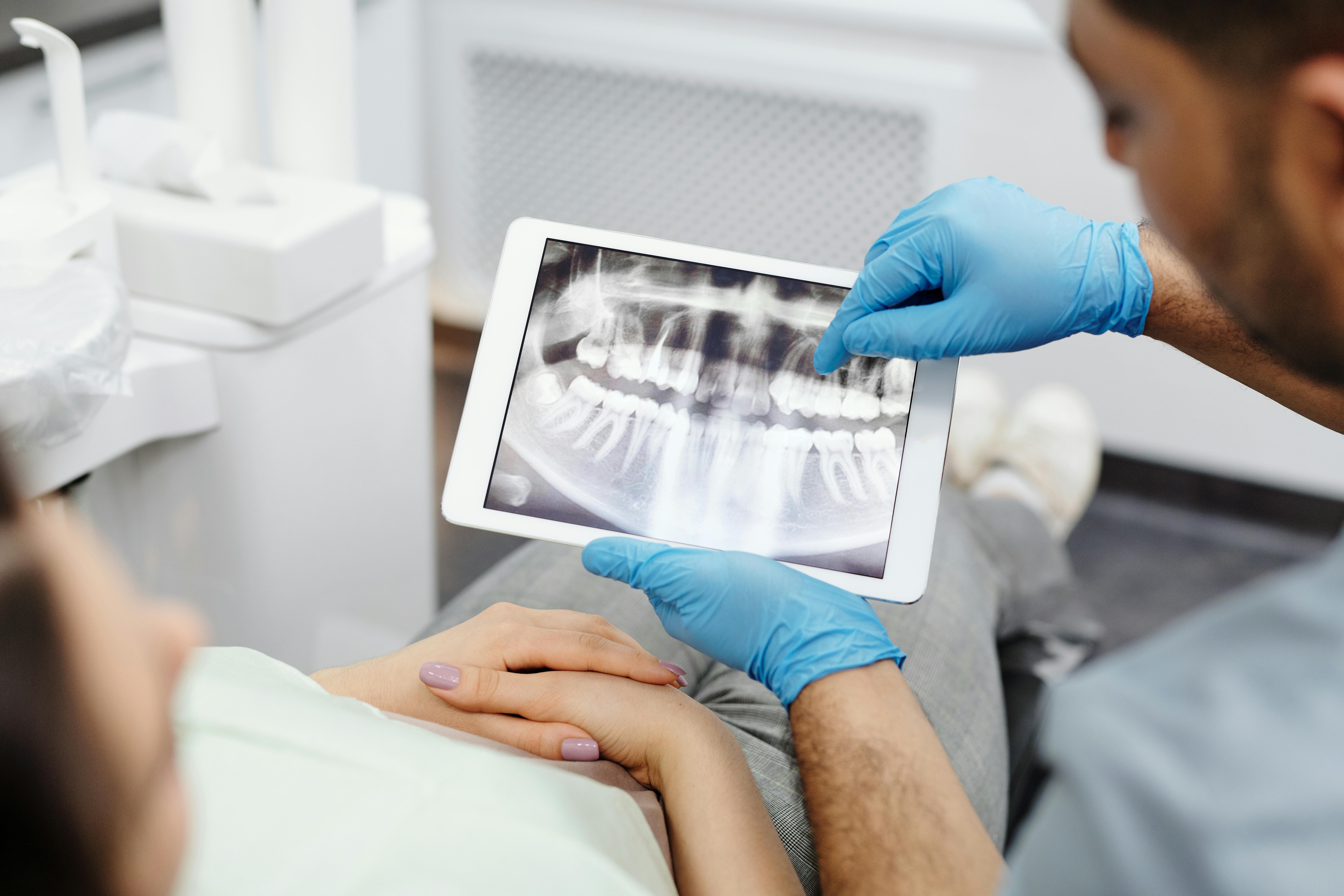
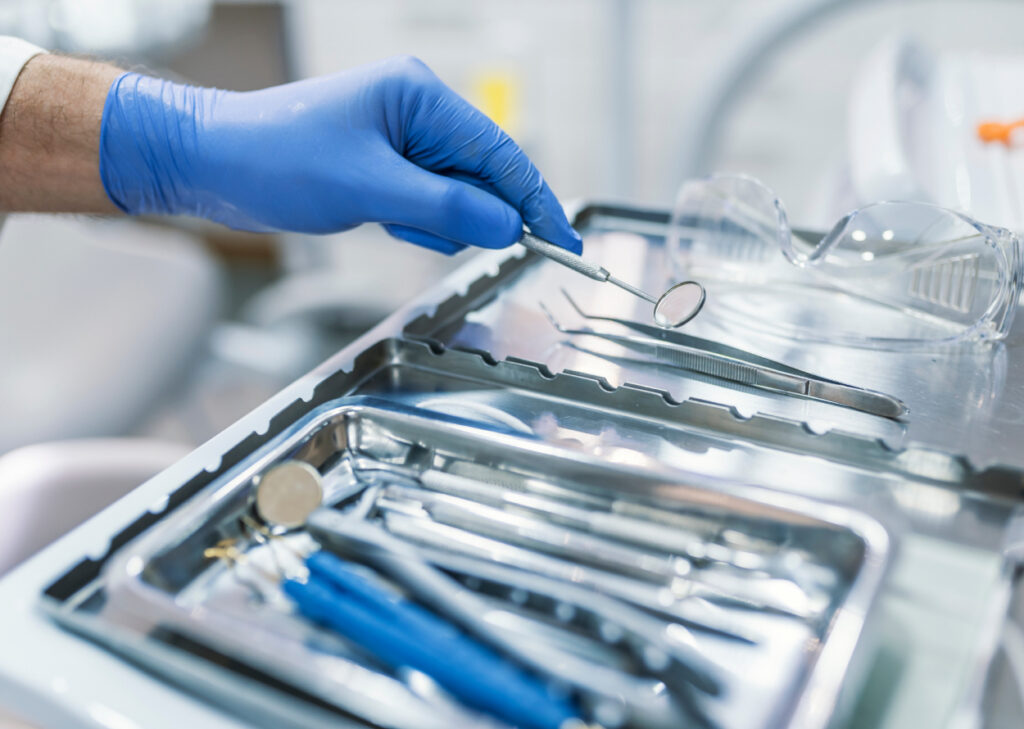
A healthy tooth does far more than fill a space in your smile. It absorbs bite pressure, keeps nearby teeth in position, supports the jaw during chewing, and helps you speak clearly without even thinking about it. Once a natural tooth becomes cracked, heavily filled, worn down, or weakened after a root canal, the real goal is not simply to make it look better. The goal is to keep that tooth working for as many years as possible.
That is where crowns earn their place in restorative dentistry. In practices offering Dental Crowns Southgate CA, a crown is often the treatment that stands between a stressed tooth and a future extraction. People sometimes hear the word "crown" and assume it means the tooth is beyond saving. In reality, the opposite is often true. A crown is usually recommended because the tooth is still worth saving, but it needs full coverage and structural support to stay in service.
The difference matters. Once a tooth is lost, every replacement option, even very good ones, is still a replacement. Preserving your natural tooth when possible is usually the most conservative, efficient, and biologically sound choice.
Why preserving the natural tooth matters so much
Dentistry works best when it protects what nature already built. A natural tooth has a living relationship with the surrounding bone, ligament, nerve tissue, and bite pattern. Even after a root canal removes the pulp from inside the tooth, the outer structure still plays an important role in chewing and alignment. Removing a damaged tooth may sometimes be necessary, but it is rarely the first choice when the tooth can still be restored predictably.
A tooth that remains in place helps maintain spacing. It keeps neighboring teeth from drifting and opposing teeth from over-erupting. It also preserves function in a way that feels familiar to the patient. Most people do not appreciate how valuable a single natural molar is until they try chewing without it for several months. Food begins collecting differently, bite forces shift, and tiny compensations become habits. Those habits can eventually contribute to soreness, wear, or fracture elsewhere.
Crowns are designed to protect teeth at the point where ordinary fillings are no longer enough. A filling replaces a missing portion of the tooth. A crown covers and reinforces the entire visible portion above the gumline. That full coverage can make the difference between a tooth that survives daily use and a tooth that breaks under a hard bite.
What a dental crown actually does
Think of a crown as a custom-fitted shell that restores shape, strength, and function. It is made to match the prepared tooth closely, then bonded or cemented into place. Once seated properly, it becomes the new protective exterior for the damaged tooth.
This is not just cosmetic. The crown redistributes chewing forces across the tooth more evenly. If a tooth has large old fillings, thin walls, or a crack line, those weak points are vulnerable every time you clench, chew ice, bite into crusty bread, or grind during sleep. By wrapping the tooth and reinforcing its form, a crown reduces the chance that the remaining natural structure will split apart.
That support is especially important in back teeth. Molars and premolars take the brunt of chewing pressure. A front tooth can also need a crown, particularly after trauma or severe decay, but posterior teeth tend to fracture more dramatically because they absorb such heavy loads. In practice, many patients ignore a cracked molar until one side shears off while eating something ordinary, often not candy, but toast, nuts, or grilled meat. The tooth may have been compromised for months before the final break.
The situations where crowns preserve teeth best
Not every damaged tooth needs a crown, and good dentists do not place them casually. A crown makes the most sense when the remaining tooth structure is too compromised for a filling to hold up long term. The exact threshold depends on where the tooth sits, how much structure is missing, the patient's bite force, whether they grind their teeth, and whether the tooth has already been treated before.
The most common reasons a dentist recommends a crown include:
- The tooth has a very large filling and not enough strong enamel left to support it.
- A crack has developed, and the tooth needs full coverage to reduce flexing and further splitting.
- A root canal has been completed, leaving the tooth more brittle and in need of protection.
- Severe wear has shortened or weakened the tooth.
- Extensive decay has been removed, but the tooth can still be restored rather than extracted.
These are not cosmetic upsells when diagnosed correctly. They are practical interventions meant to keep the tooth in the mouth and functioning.
One of the clearest examples is the root canal tooth. After a root canal, infection inside the tooth may be gone, but the remaining structure is often weaker than before. Years of decay, old fillings, and the access opening made during treatment all reduce strength. On a molar, placing a filling alone may leave the tooth vulnerable to fracture. A well-made crown can extend the life of that tooth significantly.
Cracked teeth and the quiet damage they cause
Cracks can be deceptive. Some are obvious after trauma, but many start subtly. A patient may notice a sharp zing when chewing on one side, then nothing for days. Cold sensitivity may come and go. Because symptoms are inconsistent, people often postpone treatment. That delay can be costly.
A small crack in a tooth does not always stay small. With each chewing cycle, the crack can deepen or spread. If it reaches far enough below the gumline or into the root, the tooth may no longer be restorable. At that point, the crown that might have saved the tooth earlier is no longer enough.
This is one reason timely evaluation matters. Dentists who handle Dental Crowns Southgate CA often see patients after part of the problem has already escalated. The patient did not want treatment for a "minor" toothache, then one afternoon the cusp broke off while eating lunch. Sometimes the tooth can still be crowned. Sometimes it cannot. The timing changes everything.
A crown does not heal a crack the way a cast heals bone, but it can brace the tooth and reduce the flexing forces that make the crack worsen. If the crack is diagnosed early and has not traveled too far, preserving the natural tooth can still be very realistic.
Crowns versus fillings, onlays, and extraction
Patients deserve honest guidance here because not every broken tooth belongs in the same category. A filling is less invasive and less expensive, but it relies on the surrounding tooth walls being strong enough to support it. An onlay or partial coverage restoration can be an excellent middle ground when damage is significant but not extensive enough for full coverage. Extraction removes the source of pain or infection, but it also removes the tooth.
The best choice depends on what remains, not just what hurts.
A crown becomes the preferred option when preserving the tooth requires circumferential support. If a dentist can conservatively use a large filling or onlay and expect a reliable outcome, that may be appropriate. If the tooth has thin cusps, recurrent decay around an old restoration, or a crack pattern suggesting further fracture risk, a crown is often the safer long-term call.
Extraction can seem cheaper at first glance, but that number can be misleading. Losing a tooth often leads to future costs, such as an implant, bridge, denture work, or treatment for shifting teeth and bite changes. Financially and biologically, saving a tooth is often the better investment when the prognosis is solid.
What the process usually feels like for patients
Most people want to know two things before they commit: how uncomfortable it is and how long it takes. The answer is usually reassuring. Getting a crown is routine treatment in modern practice, and for most patients it feels more tedious than painful.
The tooth is numbed, shaped to create room for the crown, and scanned or impressed so the lab can fabricate a custom restoration. A temporary crown is usually placed while the final one is made, unless the office offers same-day technology appropriate for the case. At the delivery visit, the final crown is tried in, adjusted, and cemented.
Sensitivity can happen, especially if the tooth was already inflamed, but severe lingering pain is not typical. The temporary phase may feel a bit awkward because temporary crowns are functional but not as refined as the permanent version. Once the final crown is seated and the bite is adjusted properly, most people adapt quickly.
There is an art to bite adjustment that patients Dental Crowns Southgate CA rarely see. A crown that is even slightly high can make a person feel like the whole side of the mouth is wrong. On the other hand, a crown with balanced contact can disappear into the bite so naturally that the patient forgets which tooth was treated within a few days.
Materials matter, but fit matters more
Patients often ask which crown material is "best." The honest answer is that the best material depends on the tooth, the bite, aesthetic demands, and the dentist's judgment. Porcelain, zirconia, porcelain fused to metal, and gold each have strengths. There is no one-size-fits-all answer.
Zirconia has become popular because it is strong and increasingly aesthetic. Porcelain can provide excellent esthetics, especially in visible areas. Gold remains one of the most durable materials in the right posterior situation, though fewer patients choose it for appearance reasons. Porcelain fused to metal still has valid uses, though all-ceramic options are more common now.
Still, material debates often overshadow the real determinants of success. Marginal fit, proper tooth preparation, moisture control during cementation, and thoughtful bite design often matter more than marketing terms. A beautifully advertised material placed poorly will not protect a tooth for long. A carefully made, properly fitted crown usually serves the patient far better than a flashy material chosen for the brochure.
When a crown may not be enough
A responsible discussion includes the limits. Not every tooth can or should be crowned. If decay extends too far below the gumline, if the root is fractured, if there is too little remaining tooth to retain the restoration, or if the tooth has severe periodontal support loss, the long-term prognosis may be poor even with a crown.
There are also cases where the patient wants to save a tooth, but the treatment sequence must be realistic. A badly decayed tooth may need buildup, root canal therapy, gum treatment, or even crown lengthening before the crown can be placed successfully. Saving the tooth may still be possible, but it is not always simple.
This is where experience shows. The question is not "Can a crown be placed?" The better question is "Will this crown give the patient a dependable result over time?" Those are not the same thing. A dentist with sound judgment knows when to restore and when to advise against heroic treatment that is unlikely to last.
How long crowns last, and what affects that lifespan
No crown lasts forever, and any provider who suggests otherwise is overselling. That said, crowns can serve patients well for many years. In private practice, it is not unusual to see crowns still functioning after a decade or longer. Some last much more, some fail earlier. The spread depends on several variables.
Bite force is a major factor. Patients who clench or grind can place enormous stress on restorations, especially during sleep. Oral hygiene matters too. Crowns do not decay, but the tooth underneath still can. Recurrent decay at the margin is one of the most common reasons crowns need replacement. Diet, dry mouth, smoking, and irregular dental visits also shape outcomes.
The habits that help crowns last are simple, though not always glamorous:
- Brush thoroughly along the gumline, where plaque tends to collect around the crown margin.
- Floss daily, especially if food traps near the restored tooth.
- Wear a night guard if you grind or clench.
- Avoid using teeth as tools for opening packages or biting hard objects.
- Keep regular exams so small margin issues can be caught early.
Patients often think the expensive part of crown care ends after placement. In reality, maintenance is what turns a decent result into a long one.
The role of crowns after root canal treatment
This point deserves special attention because it is one of the most common areas of confusion. Many patients feel better after a root canal and assume treatment is finished. The pain is gone, so the problem feels solved. Biologically, the infection may indeed be solved. Structurally, the tooth may still be vulnerable.
Back teeth that have had root canals are classic candidates for crowns because they often lose substantial internal support. They also no longer have the same moisture balance and sensory feedback they once did, which can contribute to fracture risk over time. A patient may chew comfortably for months, then fracture the untreated tooth while eating something routine. Once broken, the tooth may require extraction despite the earlier endodontic success.
This is why dentists often stress the importance of restoring root canal teeth promptly. Delaying the crown is one of the more expensive forms of procrastination in dentistry. It is not uncommon for a patient to spend time and money saving the inside of the tooth, then lose the whole tooth because the outside was never reinforced.
Aesthetic benefits are real, but function comes first
Crowns can dramatically improve the appearance of misshapen, darkened, or heavily restored teeth, especially in the smile zone. That cosmetic result matters. People feel more confident when a repaired tooth blends naturally with surrounding teeth. But the strongest case for crowns is still functional preservation.
A front tooth crown, for example, may hide staining after trauma or improve contour after extensive repair. Yet even there, appearance and preservation often go hand in hand. If a tooth has enough remaining healthy root and surrounding support, a crown may let the patient keep their own tooth instead of replacing it entirely.
Done well, modern crowns can look remarkably natural. Shade matching, translucency, surface texture, and contour all affect the final result. The best crowns do not just imitate color. They mimic the way real teeth reflect light and meet the gums. That level of detail is especially noticeable in Dental Crowns Southgate CA the front of the mouth, where even small mismatches can stand out.
Why local evaluation matters in Southgate
Every community has patterns in patient needs, and Southgate is no exception. Dentists providing Dental Crowns Southgate CA often treat a broad mix of cases, from long-postponed dental work to younger patients with fractures from sports or grinding. Access, timing, and education all influence how these cases present.
What matters for the patient is not the zip code itself, but the ability to get a careful diagnosis and a restoration plan that matches the condition of the tooth. A good local practice should evaluate the health of the tooth, the surrounding gums, the bite, and the patient's long-term goals before recommending a crown. The treatment should make sense in context, not simply because a crown is a common procedure.
That context can include budget, too. Sometimes a patient has several teeth in need of care and cannot do everything at once. Prioritization becomes part of good dentistry. A cracked molar at immediate risk of fracture may deserve attention before a less urgent cosmetic concern. A dentist who communicates clearly can help patients sequence care in a practical way without losing sight of preservation.
Questions worth asking before you move forward
Patients do better when they understand not just what is being recommended, but why. A few smart questions can reveal whether the proposed treatment is truly about preserving the natural tooth or simply moving quickly to a standard solution.
Ask what percentage of the tooth remains. Ask whether a filling or onlay is still reasonable, and if not, why not. Ask what the main risk is if treatment is delayed. Ask whether the tooth shows signs of cracking, whether a root canal is needed, and how your bite or grinding habits affect prognosis. These are not confrontational questions. They are the questions of an informed patient.
Good dentists welcome them because crown treatment is at its best when the patient understands the trade-offs. No restoration is immortal, no tooth is risk-free, and no plan is perfect for every person. But preserving a savable natural tooth remains one of the most worthwhile goals in restorative care.
The practical bottom line
Dental crowns are not just covers for damaged teeth. They are one of the profession's most reliable tools for preventing further breakdown, restoring function, and keeping natural teeth in place longer. When used thoughtfully, they help patients avoid extractions that might otherwise have seemed inevitable.
For many people seeking Dental Crowns Southgate CA, the crown is the turning point between ongoing deterioration and long-term stability. A cracked tooth can be braced. A root canal tooth can be protected. A heavily filled molar can keep doing its job rather than splitting apart under pressure. That is preservation in the most practical sense.
The best outcomes come from timing, judgment, and maintenance. Treat the tooth before the damage outruns the repair. Choose a dentist who explains the reasoning clearly. Then care for the crown the same way you would care for any healthy tooth, because underneath it, your natural tooth is still the asset worth protecting.
Simple Dental South Gate
Address: 8617 California Ave, South Gate, CA 90280
Phone number: +13236896118
FAQ About Dental Crowns Southgate CA
How much do crowns cost per tooth?
In the United States, a single dental crown typically costs between $800 and $2,500 per tooth without insurance. The ultimate out-of-pocket price depends heavily on the crown material, the location of the tooth, and whether you have dental insurance coverage.
What is the downside of crowns on teeth?
The primary downside of a dental crown is that the procedure permanently removes natural tooth enamel to shape the tooth for the cap.
Why do dentists push for crowns?
Dentists recommend crowns because a large filling cannot provide enough strength when a tooth loses a major portion of its structure or faces heavy chewing pressure.