Dental Crowns Southgate CA: Restoring Smiles After Accidents

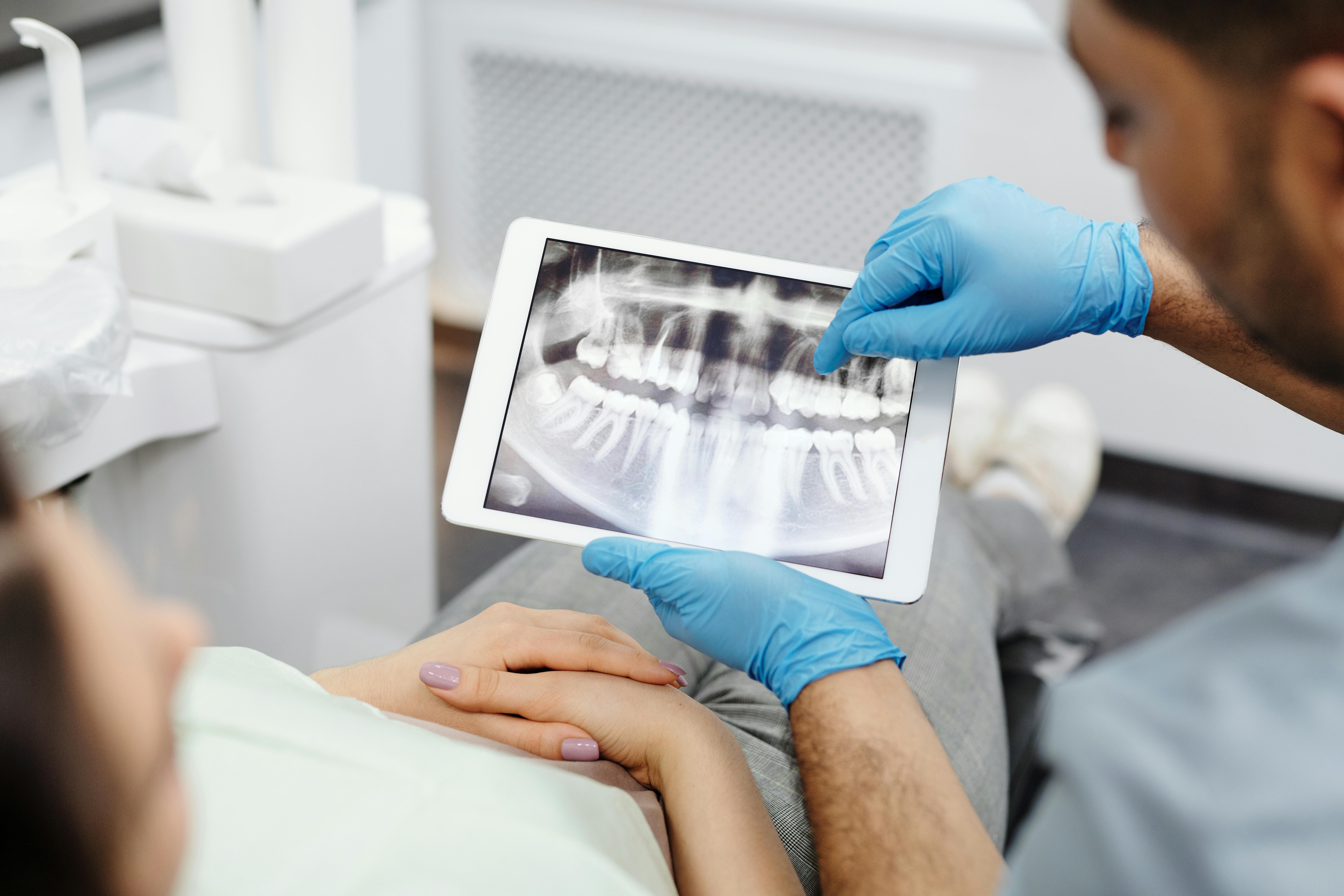
A dental accident changes the day immediately. One moment someone is eating lunch, coaching a kids' soccer game, stepping off a curb, or driving home in South Gate, and the next there is a chipped front tooth, a sharp fracture line, or a tooth that suddenly hurts every time air hits it. The cosmetic impact is obvious, but the functional damage is often more serious than patients first realize. A cracked or weakened tooth can continue to break, shift, or inflame the nerve long after the initial injury.
That is where crowns become part of the conversation. For many trauma cases, a crown is not simply a cosmetic fix. It is a structural restoration that helps a damaged tooth survive normal biting forces again. In practices that provide Dental Crowns Southgate CA residents rely on, a large part of the work involves evaluating whether a tooth can be protected predictably, not just made to look better in the short term.
The hard part is that no two accidents present the same way. A person who slips in a parking lot may fracture an upper front tooth near the edge. Someone hit in the mouth with a basketball may have a crack that runs deeper than expected. A driver involved in a minor collision may walk away feeling fine, only to notice two days later that a back tooth hurts when chewing. Trauma does not always announce its full extent right away. That is why careful diagnosis matters just as much as the restoration itself.
What a crown actually does after dental trauma
When a tooth has lost enough structure, a filling may no longer be strong enough to hold the tooth together under daily force. A crown covers the visible portion of the tooth and redistributes pressure more evenly. Think of it less as a patch and more as a protective shell that supports weakened enamel and dentin.
After an accident, that support can be the difference between saving a tooth and losing it later. A crown can protect a tooth with a large fracture, reinforce a tooth that has already needed root canal treatment after trauma, and restore shape and bite so the patient can speak and chew without compensating. Compensation matters more than most people think. When one tooth hurts, patients unconsciously change how they bite, and that can strain nearby teeth, jaw joints, and muscles within days or weeks.
In front teeth, crowns also restore confidence. That sounds like a softer benefit, but it is not trivial. People with visible dental injuries often cover their mouth when speaking, avoid photos, and limit social interactions. In my experience, once the damaged tooth is stabilized and restored properly, posture and speech often change almost immediately. The person stops guarding their smile.
The kinds of accidents that often lead to crowns
Not every broken tooth needs a crown, but many accident-related injuries do. Falls are common, especially among children, teens, and older adults. Sports injuries create a predictable pattern too, particularly in basketball, baseball, cycling, and skating. Car accidents can generate blunt force trauma to the mouth even when there is no dramatic facial injury. Then there are the quieter mishaps, biting down on a stray olive pit, cracking a molar after clenching during stress, or fracturing a previously filled tooth while eating something hard.
Front teeth often suffer visible chips or corner fractures. Molars are more likely to crack under force, especially if they already had large fillings. A tooth that had old dental work before the accident is usually more vulnerable than an untouched tooth. That is one of the most important practical details patients rarely know in advance. Teeth do not break in a vacuum. Their history matters. A modest impact can cause major damage if the tooth was already undermined.
Why prompt evaluation matters, even when the tooth does not look terrible
One of the biggest mistakes after an accident is waiting because the tooth still looks mostly intact. The external damage may be small while the internal injury is not. Hairline cracks, loosened roots, inflamed pulp tissue, and bite trauma can all develop symptoms gradually.
A patient may say, "It just feels a little sore," and that soreness can represent anything from minor bruising to a crack that will worsen under chewing pressure. Another patient may only notice sensitivity to cold, then develop lingering pain a week later as the pulp becomes irritated. Timing matters. Early intervention gives the dentist more options. In many cases, a crown placed at the right time can stabilize a tooth before a crack spreads or a weakened cusp breaks off completely.
There is also a practical point here. Emergency dentistry is almost always more expensive and more disruptive when treatment is delayed. Saving a tooth with a crown is usually simpler than losing half the tooth later and needing a post, build-up, root canal, or extraction and replacement.
How dentists decide whether a crown is the right answer
The public often thinks in simple categories, chipped tooth, crown; cavity, filling; severe pain, root canal. Real diagnosis is more nuanced. A crown is recommended based on several overlapping factors: how much tooth structure remains, whether the fracture involves the nerve, whether the root is stable, how the tooth contacts the opposing arch, and whether the injury is visible in the smile zone.
The exam usually includes photographs, X-rays, and a hands-on assessment of mobility, bite, and fracture location. Dentists often use transillumination, which means shining light through the tooth to look for crack patterns. They may check whether pain comes from pressure, release of pressure, temperature, or percussion. Those responses tell a story.
A tooth that has a small chip limited to enamel may only need bonding. A tooth with a large broken corner and a compromised biting edge may do better with a crown. A molar with a deep split down toward the root may be beyond what a crown can fix. The judgment lies in knowing not just what can be restored, but what can be restored predictably.
That word matters. Predictably is how experienced dentists think. It is possible to patch many teeth temporarily. The better question is whether the tooth will function comfortably one year and five years from now.
When a crown is needed immediately, and when treatment comes in stages
Accident cases often unfold in phases. If a patient arrives in pain with a fracture exposing the nerve, the immediate priority may be emergency stabilization, not the final crown that same day. Temporary smoothing, bonding, splinting, medication, or root canal treatment may come first. Once the tooth settles and the full prognosis is clearer, the crown is prepared.
Other cases are straightforward. A tooth breaks, the root is sound, the nerve tests normal, and there is enough remaining structure to move directly into crown treatment after the initial evaluation. Front teeth can be especially delicate in this respect. A central incisor may look stable after trauma, then slowly lose vitality over time. That is why some accident restorations require follow-up even after the tooth is repaired beautifully. The crown can restore strength and appearance, but the pulp still needs monitoring if the injury was significant.
Patients are often surprised by that. They assume the treatment is finished when the tooth looks normal again. Clinically, the tooth may still be under observation.
Materials matter, especially in visible teeth
For accident-related crowns, material choice is not just about appearance. It is about strength, thickness requirements, bite forces, and the location of the damaged tooth. In the front of the mouth, all-ceramic crowns are often chosen because they can produce lifelike translucency and color blending. In the back, stronger ceramic options are frequently used because molars absorb much heavier force.
A good restoration does not announce itself. In the best cases, the new crown matches neighboring teeth in color, contour, light reflection, and even slight natural asymmetries. That takes planning. If the injury affects one front tooth, the dentist may need shade photographs in natural light, notes about surface texture, and communication with the lab that goes beyond selecting "A2" or "B1" on a shade tab.
In South Gate and nearby communities, many patients want a practical balance, something durable, attractive, and cost-conscious. That is reasonable. The right crown is not always the most expensive crown. It is the one that fits the clinical problem, the esthetic demands, and the patient's bite.
What the crown process usually looks like
Most people facing a crown after an accident want to know two things: will it hurt, and how long will it take. The answer depends on the extent of trauma, but for a routine case the process is manageable.
First, the dentist removes any unsupported or damaged tooth structure and shapes the tooth so a crown can fit precisely. If too much structure is missing, a build-up may be placed first to create a stable foundation. Impressions or digital scans are then taken. A temporary crown usually protects the tooth while the final one is being fabricated.
The final visit involves trying in the crown, checking fit, margin seal, contact with adjacent teeth, color, and bite. Those details sound technical, but they affect daily comfort. A crown that is even slightly high can make chewing feel strange or create soreness quickly. A contact that is too loose can trap food. A margin that does not adapt properly can invite recurrent decay over time.
When patients describe a crown as "feeling natural," it usually means all of those small details were handled well.
Cases where a crown alone is not enough
One of the most important points in dental trauma care is that crowns solve some problems, not all of them. If the nerve has been irreversibly damaged, root canal treatment may be needed before or after the crown. If the tooth is loose because the supporting ligament was injured, splinting and healing time may come first. If the fracture extends below the gumline or down the root, the tooth may not be restorable with a crown at all.
That can be hard to hear, especially when the visible damage looks modest. I have seen back teeth with tiny surface cracks that turned out to be split deeply enough to require extraction, and front teeth with dramatic-looking chips that were repaired successfully because the root and nerve were intact. The size of the visible break does not always predict the outcome.
This is another reason why choosing a provider experienced in trauma evaluation matters. Inquiries about Dental Crowns Southgate CA often start with aesthetics, but the real skill lies in determining whether the tooth has a future worth investing in.
The challenge of matching a crown after an accident
Restoring a smile after trauma is partly technical and partly artistic. If a front tooth is fractured, patients often compare the repaired tooth to the untouched tooth beside it under every kind of lighting, bathroom mirror light, car visor mirror light, restaurant lighting, outdoor sun. They notice things nobody else sees. Dentists know this, and good crown planning accounts for it.
Natural front teeth are not flat blocks of one color. They have variation near the gumline, different translucency at the edge, tiny ridges, and specific ways they reflect light. Trauma cases sometimes involve inflammation or drying of adjacent teeth at the first visit, which can make color matching tricky. A dentist may delay the final shade choice until tissues calm down and hydration normalizes.
For patients with grinding habits, the challenge is larger. A beautiful crown on a front tooth can chip or wear if heavy parafunctional forces are ignored. Sometimes the smartest recommendation after an accident restoration is a night guard, not because the Dental Crowns Southgate CA crown was weak, but because the surrounding bite conditions are harsh.
How long crowns last after trauma
No honest dentist should promise an exact lifespan. Crowns can last many years, often well beyond a decade, but their longevity depends on several variables: the amount of healthy tooth left underneath, the quality of the bite, home care, grinding, gum health, and whether the tooth had previous root canal treatment.
Trauma can shorten the odds if the injury compromised the tooth beyond what is visible. A crown on a robust tooth that lost one cusp in an accident may do very well for a long time. A crown on a tooth that was heavily restored, cracked, then root canal treated after trauma carries a different prognosis. It may still be the best treatment, but expectations should be realistic.
That distinction matters because good dentistry is not only about performing procedures. It is about setting clear, practical expectations. Patients handle uncertainty well when it is explained honestly.
Cost, insurance, and the real-world conversation patients have
Patients rarely ask about cost first when they are in pain, but they ask soon after, and they should. Crown treatment after an accident can involve more than one procedure, and the total can vary based on complexity. Some dental plans contribute toward crowns, some have waiting periods or annual maximums, and accident-related coverage sometimes overlaps awkwardly with medical or auto insurance depending on how the injury occurred.
This is where front-desk coordination matters as much as clinical care. A patient dealing with a broken tooth after a collision or fall is already stressed. Clear estimates, staged treatment plans, and straightforward explanations make a real difference. In many South Gate practices, the most appreciated part of care is not only the restoration itself but the way the team helps the patient understand what is urgent now and what can be sequenced later if needed.
Recovering well after crown treatment
A crown protects the tooth, but healing from the injury still takes time. Gums can remain tender for a few days. The tooth may feel "different" at first, especially if the original bite had been altered by pain before treatment. Mild sensitivity can occur, particularly if the trauma was recent and the nerve was irritated.
Patients usually do best when they are given concrete guidance rather than generic advice. Soft foods on the treated side for a short period can help. Paying attention to any Dental Crowns Southgate CA persistent bite pressure is important, because a small occlusal adjustment can make a major difference. If a temporary crown comes off or the tooth becomes increasingly sensitive instead of steadily less sensitive, that deserves a call, not a wait-and-see approach.
The simple daily habits remain the ones that matter most:
- Brush gently but thoroughly along the gumline around the crown.
- Floss carefully, especially if food catches near the contacts.
- Avoid chewing ice, hard candy, and non-food items.
- Wear a mouthguard for sports and a night guard if grinding is an issue.
- Return for follow-up if the injured tooth changes color, becomes sore, or feels loose.
Those steps sound basic because they are basic, but basics protect dental work better than any sales pitch ever will.
Local context matters more than many people think
South Gate is an active community, and the dental needs reflect that. Family schedules are packed. Many patients juggle work, school pickup, sports, and long commutes. When an accident happens, convenience becomes part of treatment quality. Can the office see trauma cases quickly? Do they coordinate emergency and restorative care smoothly? Are they realistic about timing, especially for someone who cannot make four daytime appointments over two weeks?
That local reality shapes what good care looks like. A technically flawless plan that a patient cannot complete is not a practical plan. Dentists who routinely provide Dental Crowns Southgate CA patients seek after injuries often build their systems around access and follow-through, prompt evaluations, sensible temporaries, good lab communication, and follow-up checks when trauma symptoms evolve.
It also helps when the office can distinguish urgency from panic. Not every broken tooth is a same-hour crisis, but some are. Severe pain, swelling, bleeding that does not stop, a loose adult tooth, or a large fracture with exposed inner tooth structure needs prompt attention. Knowing the difference can save a tooth.
What patients should look for when choosing care after an accident
A polished website or a low advertised price does not tell you much about trauma judgment. What matters more is whether the dentist listens carefully, explains findings plainly, and can outline more than one pathway when appropriate. A provider should be able to say, in effect, this is what we know now, this is what may change, this is why I recommend a crown, and this is what I will be watching for over time.
That level of explanation is a sign of experience. Trauma dentistry carries uncertainty. Good clinicians do not hide that. They manage it.
It is also worth paying attention to how the office talks about alternatives. Sometimes bonding is reasonable. Sometimes a crown is the durable answer. Sometimes the honest conversation is that the tooth may not be salvageable, and discussing replacement options early is kinder than repeatedly patching a failing tooth. Patients generally appreciate candor when it is delivered with skill and empathy.
A restored smile is rarely just about appearance
After an accident, people often focus first on how their smile looks, especially if a front tooth is involved. Once treatment is completed, they usually talk about something else: the relief of biting into a sandwich without thinking, speaking clearly again, or laughing without self-consciousness. Function and confidence tend to return together.
That is the real value of a well-made crown after trauma. It does not erase the accident, but it can give the tooth a second chance and give the patient normalcy back. In the best cases, the final result looks effortless. Behind that result is careful diagnosis, material selection, bite management, and a willingness to respect the biology of an injured tooth.
For anyone in South Gate dealing with a broken or weakened tooth after a fall, sports injury, or collision, the key is not to minimize it or postpone evaluation too long. Teeth rarely repair structural damage on their own. Timely care can keep a manageable problem from becoming a far more invasive one, and when a crown is the right answer, it can restore far more than the visible surface of a smile.
Simple Dental South Gate
Address: 8617 California Ave, South Gate, CA 90280
Phone number: +13236896118
FAQ About Dental Crowns Southgate CA
How much do crowns cost per tooth?
In the United States, a single dental crown typically costs between $800 and $2,500 per tooth without insurance. The ultimate out-of-pocket price depends heavily on the crown material, the location of the tooth, and whether you have dental insurance coverage.
What is the downside of crowns on teeth?
The primary downside of a dental crown is that the procedure permanently removes natural tooth enamel to shape the tooth for the cap.
Why do dentists push for crowns?
Dentists recommend crowns because a large filling cannot provide enough strength when a tooth loses a major portion of its structure or faces heavy chewing pressure.